
Auxiliary Power
Return To Index
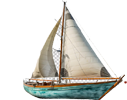
Auxiliary power refers to a secondary engine or power source on a vessel used for functions other than primary propulsion. It provides electrical energy for systems like lights, navigation, pumps, and air conditioning. On sailing vessels, it specifically refers to an engine used for maneuvering when there is no wind.
Key Aspects of Auxiliary Power
Function: Auxiliary engines (often called generators) are "life support" systems that power non-propulsion machinery, including bow thrusters for maneuverability.
Application: Commonly found on large ships, cargo vessels, and sailing yachts.
Types: These can be internal combustion engines (commonly diesel) driving generators, or separate generators entirely.
Distinction: It is distinct from the main engine responsible for moving the ship through the water.
Usage: They run both in port and at sea to supply electrical "hotel services" for the crew and essential equipment.
Key Aspects of Auxiliary Power
Function: Auxiliary engines (often called generators) are "life support" systems that power non-propulsion machinery, including bow thrusters for maneuverability.
Application: Commonly found on large ships, cargo vessels, and sailing yachts.
Types: These can be internal combustion engines (commonly diesel) driving generators, or separate generators entirely.
Distinction: It is distinct from the main engine responsible for moving the ship through the water.
Usage: They run both in port and at sea to supply electrical "hotel services" for the crew and essential equipment.