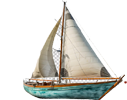

Aground
Return To Index
Aground is a nautical term describing a vessel that has touched bottom, a sandbank, or the shore and is stuck, no longer floating freely. Running aground occurs when a vessel's draft exceeds the water depth, necessitating actions to re-float or seek assistance to avoid structural hull damage.
Key Aspects of "Aground":
Meaning: Stuck on the seabed, reef, or shore.
Cause: The boat's draft is greater than the water depth, often caused by shallow water, navigation errors, or tides.
Types: Can be an emergency (accidental grounding) or intentional (beaching for maintenance or repairs).
Risks: Potential for hull damage, taking on water, or becoming stuck during a falling tide.
Action: Requires checking for injuries and damage, moving weight to one side, or using a "kedge" anchor to pull free.
Common Phrases:
"Run aground": The action of hitting the bottom.
"Hard aground": Stuck fast, often requiring outside help (like a tow) to move.
Key Aspects of "Aground":
Meaning: Stuck on the seabed, reef, or shore.
Cause: The boat's draft is greater than the water depth, often caused by shallow water, navigation errors, or tides.
Types: Can be an emergency (accidental grounding) or intentional (beaching for maintenance or repairs).
Risks: Potential for hull damage, taking on water, or becoming stuck during a falling tide.
Action: Requires checking for injuries and damage, moving weight to one side, or using a "kedge" anchor to pull free.
Common Phrases:
"Run aground": The action of hitting the bottom.
"Hard aground": Stuck fast, often requiring outside help (like a tow) to move.