
Bow
Return To Index
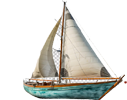
The bow is the forward or front end of a boat or ship, designed to cut through water and waves while moving forward. It is often pointed or V-shaped to improve efficiency, reduce resistance, and maintain stability. The term signifies the forward-facing portion of the hull and is opposite the stern.
Key Details About the Bow
Purpose: Cuts through waves to reduce resistance and allows the boat to travel efficiently.
Direction: Refers to the front, with movement toward it called "forward".
Design: Usually, the bow is more pointed and tapered than the stern to pierce through water, whereas the stern is flatter and wider.
Features: Often houses equipment like anchors and winches.
Terminology: "Port Bow" refers to the front-left side, while "Starboard Bow" refers to the front-right.
Etymology: The word originates from Old Norse/Middle English terms meaning "to bend or curve" or "shoulder," referring to how the sides bend forward to meet.
Key Details About the Bow
Purpose: Cuts through waves to reduce resistance and allows the boat to travel efficiently.
Direction: Refers to the front, with movement toward it called "forward".
Design: Usually, the bow is more pointed and tapered than the stern to pierce through water, whereas the stern is flatter and wider.
Features: Often houses equipment like anchors and winches.
Terminology: "Port Bow" refers to the front-left side, while "Starboard Bow" refers to the front-right.
Etymology: The word originates from Old Norse/Middle English terms meaning "to bend or curve" or "shoulder," referring to how the sides bend forward to meet.