
Cast Off
Return To Index
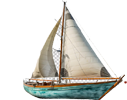
In nautical terms, cast off means to untie or release the mooring lines (ropes) securing a vessel to a dock, pier, buoy, or another ship. It is the essential final action performed by the crew to allow the boat to get underway, signifying the start of a journey and the opposite of docking.
Key Aspects of Casting Off:
Line Handling: The process involves throwing off the bow and stern lines from the dock cleats.
Maneuver: After lines are released, the boat usually shifts into gear, often turning away from the dock to move away safely.
Safety Measures: It involves ensuring fenders are properly positioned to protect the hull while maneuvering.
Contextual Usage:
"Cast off the bowline": A command given to release the front mooring line.
Usage: It can be used as an action (e.g., "We cast off the ropes") or a directive ("Cast off!").
While in boating it means freeing a boat, the term is also famously used in knitting, meaning to finish off stitches.
Key Aspects of Casting Off:
Line Handling: The process involves throwing off the bow and stern lines from the dock cleats.
Maneuver: After lines are released, the boat usually shifts into gear, often turning away from the dock to move away safely.
Safety Measures: It involves ensuring fenders are properly positioned to protect the hull while maneuvering.
Contextual Usage:
"Cast off the bowline": A command given to release the front mooring line.
Usage: It can be used as an action (e.g., "We cast off the ropes") or a directive ("Cast off!").
While in boating it means freeing a boat, the term is also famously used in knitting, meaning to finish off stitches.