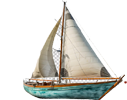

Catamaran
Return To Index
A catamaran is a multihull vessel featuring two parallel hulls of equal size joined by a deck structure, designed for superior stability, speed, and shallow draft compared to monohulls. These boats offer high stability due to their wide beam, preventing heavy heeling. They are popular for cruising due to spacious layouts.
Key Nautical Features & Terms
Hulls: Two parallel, slender hulls providing buoyancy and speed, often with lower resistance than a single hull.
Bridgedeck: The cabin and platform structure connecting the two hulls, often housing the saloon and galley.
Nacelle: A central pod structure located under the bridgedeck, designed to soften the impact of waves and increase clearance.
Deckhouse: The elevated cabin superstructure, often providing 360-degree views, containing the saloon and navigation station.
Rigging: Sailing catamarans typically feature a single mast and high-performance sails, with twin engines (one in each hull) for maneuvering.
Stability: Because of their wide base, they don't require heavy keel ballast, making them lighter and resistant to excessive rolling.
Origins: The word derives from the Tamil word kattumaram, meaning "tree trunks bound together," originating as a traditional raft from the Indonesian/Polynesian region.
Key Nautical Features & Terms
Hulls: Two parallel, slender hulls providing buoyancy and speed, often with lower resistance than a single hull.
Bridgedeck: The cabin and platform structure connecting the two hulls, often housing the saloon and galley.
Nacelle: A central pod structure located under the bridgedeck, designed to soften the impact of waves and increase clearance.
Deckhouse: The elevated cabin superstructure, often providing 360-degree views, containing the saloon and navigation station.
Rigging: Sailing catamarans typically feature a single mast and high-performance sails, with twin engines (one in each hull) for maneuvering.
Stability: Because of their wide base, they don't require heavy keel ballast, making them lighter and resistant to excessive rolling.
Origins: The word derives from the Tamil word kattumaram, meaning "tree trunks bound together," originating as a traditional raft from the Indonesian/Polynesian region.