
Freeboard
Return To Index
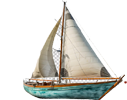
Freeboard is the vertical distance from the waterline to the upper deck or gunwale of a vessel. It serves as a crucial safety margin, indicating how much hull is above water. High freeboard offers increased protection against waves and reduces flooding, while low freeboard risks taking on water, making it a critical stability factor.
Measurement: Taken amidships, it represents the lowest point where water can enter.
Safety Function: Ensures stability by preventing overloading.
Regulations: Defined by international load line conventions (e.g., Plimsoll Mark), it is legally mandated to prevent sinking.
Types of Boats: Offshore boats generally have high freeboard, whereas smaller, inshore boats often have lower freeboard.
In short, freeboard is the safety buffer of height between a ship's deck and the water's surface, essential for buoyancy and safety during navigation.
Measurement: Taken amidships, it represents the lowest point where water can enter.
Safety Function: Ensures stability by preventing overloading.
Regulations: Defined by international load line conventions (e.g., Plimsoll Mark), it is legally mandated to prevent sinking.
Types of Boats: Offshore boats generally have high freeboard, whereas smaller, inshore boats often have lower freeboard.
In short, freeboard is the safety buffer of height between a ship's deck and the water's surface, essential for buoyancy and safety during navigation.