
Pushpit
Return To Index
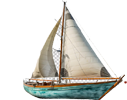
A pushpit is a protective metal railing located at the stern (rear) of a sailboat, designed to provide safety for the crew and often used as a mounting point for equipment. Similar in function to the forward-mounted "pulpit," it acts as a secure handhold and barrier, often referred to colloquially as a "stern pulpit" or "pushpit".
Key Details About the Pushpit:
Location: Situated at the back of the vessel (the stern), often extending over the aft deck or transom.
Purpose: To prevent crew members from falling overboard while working at the stern, particularly in heavy seas.
Functionality: Often used for mounting navigation lights, antennas, solar panels, davits, or safety equipment like lifebuoys.
Origin: The term is a nautical pun derived from "[pulpit]" (the front railing), appearing around the 1940s-1950s as a humorous opposite.
Construction: Typically made of stainless steel tubing, fixed securely to the deck or transom.
It is distinguished from the "pulpit" (front) and "stanchions" (side posts) which make up the rest of the lifelines.
Key Details About the Pushpit:
Location: Situated at the back of the vessel (the stern), often extending over the aft deck or transom.
Purpose: To prevent crew members from falling overboard while working at the stern, particularly in heavy seas.
Functionality: Often used for mounting navigation lights, antennas, solar panels, davits, or safety equipment like lifebuoys.
Origin: The term is a nautical pun derived from "[pulpit]" (the front railing), appearing around the 1940s-1950s as a humorous opposite.
Construction: Typically made of stainless steel tubing, fixed securely to the deck or transom.
It is distinguished from the "pulpit" (front) and "stanchions" (side posts) which make up the rest of the lifelines.