
Running
Return To Index
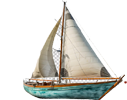
Running, or "running downwind," is a sailing point of sail where the vessel travels with the wind directly behind it (180 degrees astern). Sails are eased out fully, often in a "wing-on-wing" configuration, making it a fast and generally relaxing, yet technically demanding, downwind technique.
Key Aspects of Running:
Wind Direction: The wind is coming from directly behind the boat.
Sail Setup: Sails are eased out all the way to maximize wind capture.
Wing-on-Wing: A common technique where the jib is on one side and the mainsail on the opposite side to maximize coverage.
Feel: Considered the most stable point of sail, often causing less heeling (tipping).
Risks: High risk of an accidental or involuntary gybe, where the wind catches the wrong side of the sail.
Performance: Can be one of the fastest points of sail.
Running is different from reaching (sailing across the wind) and beating (sailing upwind).
Key Aspects of Running:
Wind Direction: The wind is coming from directly behind the boat.
Sail Setup: Sails are eased out all the way to maximize wind capture.
Wing-on-Wing: A common technique where the jib is on one side and the mainsail on the opposite side to maximize coverage.
Feel: Considered the most stable point of sail, often causing less heeling (tipping).
Risks: High risk of an accidental or involuntary gybe, where the wind catches the wrong side of the sail.
Performance: Can be one of the fastest points of sail.
Running is different from reaching (sailing across the wind) and beating (sailing upwind).