
Rig
Return To Index
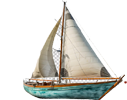
A sailing rig is the total arrangement of a vessel's masts, spars, sails, and rigging (lines/cables) used to propel the boat. It defines the sailboat’s configuration, including mast placement and sail shape, with common types being fore-and-aft (triangular/quadrilateral) and square rigs.
Key Aspects of a Rig:
Standing Rigging: Wires or rods that support the mast and usually remain fixed (e.g., shrouds, stays).
Running Rigging: Movable ropes and lines used to raise, lower, or adjust sails and spars (e.g., halyards, sheets, vang).
Spars: Poles (masts, booms, spinnaker poles) that support or spread the sails.
Common Rig Types & Components:
Sloop/Cutter: One mast with one or two headsails.
Ketch/Yawl: Two masts, with the rear mast (mizzen) shorter than the main mast.
Cat Rig: A single sail set on a mast positioned far forward.
Components: Masts are supported by stays (forward/backward) and shrouds (sides).
Key Aspects of a Rig:
Standing Rigging: Wires or rods that support the mast and usually remain fixed (e.g., shrouds, stays).
Running Rigging: Movable ropes and lines used to raise, lower, or adjust sails and spars (e.g., halyards, sheets, vang).
Spars: Poles (masts, booms, spinnaker poles) that support or spread the sails.
Common Rig Types & Components:
Sloop/Cutter: One mast with one or two headsails.
Ketch/Yawl: Two masts, with the rear mast (mizzen) shorter than the main mast.
Cat Rig: A single sail set on a mast positioned far forward.
Components: Masts are supported by stays (forward/backward) and shrouds (sides).