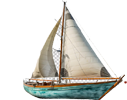

Under the Weather
Return To Index
"Under the weather" is a 19th-century maritime idiom for feeling seasick or ill, referring to sailors sent below deck to escape harsh weather or rough seas. Originally known as "under the weather bow," it meant taking shelter from the side of the ship facing the worst wind and wave impact.
Key Aspects of the Term:
Literal Meaning: Sick crew members went below deck, putting them literally "under" the weather-exposed deck to recover.
Nautical Origin: The phrase originated in the early 1800s among sailors to describe being adversely affected by harsh conditions.
The "Weather Bow" Theory: It specifically referred to a sailor on watch on the "weather" (windward) side of the bow, who was constantly soaked and battered by waves, often causing them to become sick.
Alternative Nautical Explanations:
Below Deck Safety: While some say sailors went below to avoid sickness, others argue being below deck makes seasickness worse, but the term stuck as a general term for seeking shelter from bad weather.
Under the Weather Rail: Some sources suggest it refers specifically to resting beneath the "weather rail" that faced the wind.
Key Aspects of the Term:
Literal Meaning: Sick crew members went below deck, putting them literally "under" the weather-exposed deck to recover.
Nautical Origin: The phrase originated in the early 1800s among sailors to describe being adversely affected by harsh conditions.
The "Weather Bow" Theory: It specifically referred to a sailor on watch on the "weather" (windward) side of the bow, who was constantly soaked and battered by waves, often causing them to become sick.
Alternative Nautical Explanations:
Below Deck Safety: While some say sailors went below to avoid sickness, others argue being below deck makes seasickness worse, but the term stuck as a general term for seeking shelter from bad weather.
Under the Weather Rail: Some sources suggest it refers specifically to resting beneath the "weather rail" that faced the wind.