
Wide Berth
Return To Index
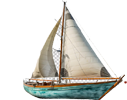
A "wide berth" is a sailing term meaning to leave a generous, safe distance when passing another ship, hazard, or shoreline. Originating from the 16th century, it refers to providing enough space for anchored vessels to swing safely with wind and tide, preventing collisions. It is now a common idiom for avoiding danger or people.
Key Aspects of a Wide Berth:
Origin: The term "berth" (likely from "bear off") once referred to the distance needed to avoid hazards.
Nautical Application: Sailors give a wide berth to dangers such as rocky coastlines, wrecks, or other vessels.
Idiomatic Usage: To "give someone a wide berth" today means to deliberately avoid a person or uncomfortable situation.
This term is rooted in ensuring that if a vessel swings unexpectedly at anchor, it will not collide with its neighbor.
Key Aspects of a Wide Berth:
Origin: The term "berth" (likely from "bear off") once referred to the distance needed to avoid hazards.
Nautical Application: Sailors give a wide berth to dangers such as rocky coastlines, wrecks, or other vessels.
Idiomatic Usage: To "give someone a wide berth" today means to deliberately avoid a person or uncomfortable situation.
This term is rooted in ensuring that if a vessel swings unexpectedly at anchor, it will not collide with its neighbor.