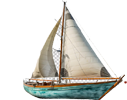

Bow
Return To Index
The bow is the forward-most, often pointed part of a sailboat’s hull designed to reduce water resistance, increase stability, and cut through waves. It acts as the leading edge, enhancing speed and providing buoyancy, with key components including the bow rail (pulpit), pulpit, anchor locker, and forestay attachment.
Key Components and Features of the Bow
Bow Rail / Pulpit: A metal railing at the very front for crew safety.
Stem: The leading edge of the bow, where the port and starboard hull sides meet.
Bow Sprit: A spar extending forward, used to extend the sail plan for better performance.
Forestay Attachment: The connection point for the forestay wire that supports the mast, located at the bow.
Anchor Roller/Locker: Fittings for storing and deploying the anchor.
Cleats: Hardware used to fasten mooring or dock lines.
Bow Light: Navigation lights (red/green) for night sailing.
Bow Shapes and Functions
Pointed/V-Shaped: Reduces wave resistance, commonly found on performance-oriented sailboats.
Straight/Vertical Bow: Common in modern yachts, designed for a longer waterline, better stability, and increased deck space.
Rounded/Curved: Typical in classic designs, providing a smoother ride over waves.
The bow is critical for both performance and safety, designed to prevent the boat from diving into waves while providing the structure to handle the forces from the headstay.
Key Components and Features of the Bow
Bow Rail / Pulpit: A metal railing at the very front for crew safety.
Stem: The leading edge of the bow, where the port and starboard hull sides meet.
Bow Sprit: A spar extending forward, used to extend the sail plan for better performance.
Forestay Attachment: The connection point for the forestay wire that supports the mast, located at the bow.
Anchor Roller/Locker: Fittings for storing and deploying the anchor.
Cleats: Hardware used to fasten mooring or dock lines.
Bow Light: Navigation lights (red/green) for night sailing.
Bow Shapes and Functions
Pointed/V-Shaped: Reduces wave resistance, commonly found on performance-oriented sailboats.
Straight/Vertical Bow: Common in modern yachts, designed for a longer waterline, better stability, and increased deck space.
Rounded/Curved: Typical in classic designs, providing a smoother ride over waves.
The bow is critical for both performance and safety, designed to prevent the boat from diving into waves while providing the structure to handle the forces from the headstay.