
Keel
Return To Index
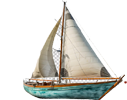
A sailboat keel is a structural, blade-like appendage extending below the hull's centerline, acting as the backbone that provides stability, prevents sideways drift (leeway), and counteracts wind forces to keep the vessel upright. It houses heavy ballast—lead or iron—and can be fixed, long, or, in some cases, retractable (centerboard/daggerboard).
Key Components and Types of Keels
Fixed Fin Keel: A deep, short blade extending downward, designed for performance, speed, and high maneuverability.
Full Keel: A long, shallow keel that runs along most of the hull's length. It provides superior directional stability and, often, structural protection for the rudder, ideal for long-distance cruising.
Winged Keel: A, usually, shorter fin keel with horizontal "wings" at the bottom. This design enhances stability by lowering the center of gravity while reducing draft for shallow water.
Ballast: The heavy weight (iron or lead) located at the bottom of the keel to keep the sailboat upright (righting moment).
Keel Bolts: High-strength bolts that attach the keel securely to the hull structure.
Main Functions of a Keel
Stability (Righting Moment): The ballast prevents the boat from capsizing, helping to bring it back to an upright position when leaning (heeling).
Lateral Resistance: Prevents the boat from slipping sideways rather than moving forward when sailing upwind.
Lift Generation: Similar to airplane wings, the keel generates hydrodynamic lift, helping with efficiency.
Structural Integrity: Acts as a solid backbone, allowing the keel to support the boat's weight when hauled out of the water.
Key Components and Types of Keels
Fixed Fin Keel: A deep, short blade extending downward, designed for performance, speed, and high maneuverability.
Full Keel: A long, shallow keel that runs along most of the hull's length. It provides superior directional stability and, often, structural protection for the rudder, ideal for long-distance cruising.
Winged Keel: A, usually, shorter fin keel with horizontal "wings" at the bottom. This design enhances stability by lowering the center of gravity while reducing draft for shallow water.
Ballast: The heavy weight (iron or lead) located at the bottom of the keel to keep the sailboat upright (righting moment).
Keel Bolts: High-strength bolts that attach the keel securely to the hull structure.
Main Functions of a Keel
Stability (Righting Moment): The ballast prevents the boat from capsizing, helping to bring it back to an upright position when leaning (heeling).
Lateral Resistance: Prevents the boat from slipping sideways rather than moving forward when sailing upwind.
Lift Generation: Similar to airplane wings, the keel generates hydrodynamic lift, helping with efficiency.
Structural Integrity: Acts as a solid backbone, allowing the keel to support the boat's weight when hauled out of the water.