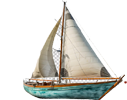

Cockpit
Return To Index
A sailboat cockpit is the recessed, self-bailing, and central command area of the deck, designed for safe steering, sail control, and crew comfort. Key components typically include the helm (wheel/tiller), sail-controlling winches, navigation instruments, and seating with nearby storage lockers.
Key Components of a Sailboat Cockpit
Helm (Wheel or Tiller): The steering mechanism. A wheel, often with a compass, or a tiller, which is a handle connected to the rudder for steering.
Winches: Spool-like devices that provide mechanical advantage, used for trimming and tightening lines (sheets and halyards) that are led back to the cockpit.
Main Sheet & Traveler: The main sheet (line) and its traveler (rail) allow the helmsman to control the angle of the mainsail to the wind.
Sheet Lines and Clutches: Ropes used to adjust the sails, which are often secured using clutches or jammers.
Engine Controls: Throttle and ignition for the auxiliary engine.
Compass & Electronics: Navigation tools like a compass, chart plotter, and wind instruments are usually mounted in the cockpit.
Scuppers: Drains located in the cockpit floor that allow water to drain overboard, keeping the boat self-bailing.
Coaming: The raised edge around the cockpit designed to prevent water from entering and to provide back support for seating.
Companionway: The entrance/stairway leading down into the cabin.
Common Cockpit Layouts
T-Shaped Cockpit: A design that allows for easier passage around the steering wheel and better seating for the crew.
Double Cockpit: Often found on larger boats, providing a separate area for the helmsman and passengers.
Key Components of a Sailboat Cockpit
Helm (Wheel or Tiller): The steering mechanism. A wheel, often with a compass, or a tiller, which is a handle connected to the rudder for steering.
Winches: Spool-like devices that provide mechanical advantage, used for trimming and tightening lines (sheets and halyards) that are led back to the cockpit.
Main Sheet & Traveler: The main sheet (line) and its traveler (rail) allow the helmsman to control the angle of the mainsail to the wind.
Sheet Lines and Clutches: Ropes used to adjust the sails, which are often secured using clutches or jammers.
Engine Controls: Throttle and ignition for the auxiliary engine.
Compass & Electronics: Navigation tools like a compass, chart plotter, and wind instruments are usually mounted in the cockpit.
Scuppers: Drains located in the cockpit floor that allow water to drain overboard, keeping the boat self-bailing.
Coaming: The raised edge around the cockpit designed to prevent water from entering and to provide back support for seating.
Companionway: The entrance/stairway leading down into the cabin.
Common Cockpit Layouts
T-Shaped Cockpit: A design that allows for easier passage around the steering wheel and better seating for the crew.
Double Cockpit: Often found on larger boats, providing a separate area for the helmsman and passengers.